Views: 5
Home Elevator Doors: What Types Are Available and Which Suits Your Home?
When planning a home elevator, it is easy to focus on the cabin, flooring, lighting, and overall design. But the home elevator doors are just as important. You will use them every time you enter and exit the elevator, so they should be convenient, safe, and suitable for your home’s layout.
There are several options, including automatic, manual, hinged, sliding, and glass doors. The right choice depends on your available space, daily usage, elevator model, and design preferences.
Why Home Elevator Doors Matter
Elevator doors are more than just an entrance to the cabin. They can affect how easily people move in and out of the elevator and how much space is needed around the entrance.
For example, a family that frequently uses the elevator may prefer an automatic system, while a home with limited entrance space may need a different door arrangement.
When choosing home elevator doors, look at three things together: ease of use, available space, and appearance.
Types of Home Elevator Doors
There is no single door style that works for every home. The available options depend on the elevator system, property layout, and installation requirements.
Automatic Elevator Doors for Homes
Automatic elevator doors for homes open and close using a powered mechanism. Passengers do not need to manually pull or push the door every time they use the elevator.
This can be convenient for families who use the elevator regularly. It can also be helpful when carrying groceries, luggage, or other items between floors.
Automatic doors can give the elevator a clean and modern appearance, making them a popular option for contemporary villas and premium homes.
The exact automatic door configuration depends on the elevator model and available installation space.
Manual Home Elevator Doors
Manual home elevator doors are opened and closed by the passenger. They can be suitable for certain residential elevator systems where manual operation is part of the design.
Their operation is straightforward, but homeowners should consider how the door will be used every day and whether there is enough space to operate it comfortably.
The final choice should always match the selected elevator system and property requirements.
Hinged Elevator Doors
Hinged doors operate much like a normal room door, swinging open from one side.
They can work well when there is enough clear space around the elevator entrance. Their familiar design can also blend naturally with the home’s architecture.
However, the door swing area needs to be considered carefully. If the elevator is located in a narrow hallway or near another frequently used area, the opening movement may affect how people move around the entrance.
Sliding Elevator Doors
Sliding doors move sideways instead of swinging outward.
This can be useful when you want to make better use of the space around the elevator entrance. They can work particularly well where a swinging door would interfere with a hallway or nearby room.
Sliding doors can also create a modern look, especially when combined with glass, stainless steel, or other contemporary finishes.
The actual space and mechanism required will depend on the elevator model.
Glass Elevator Doors
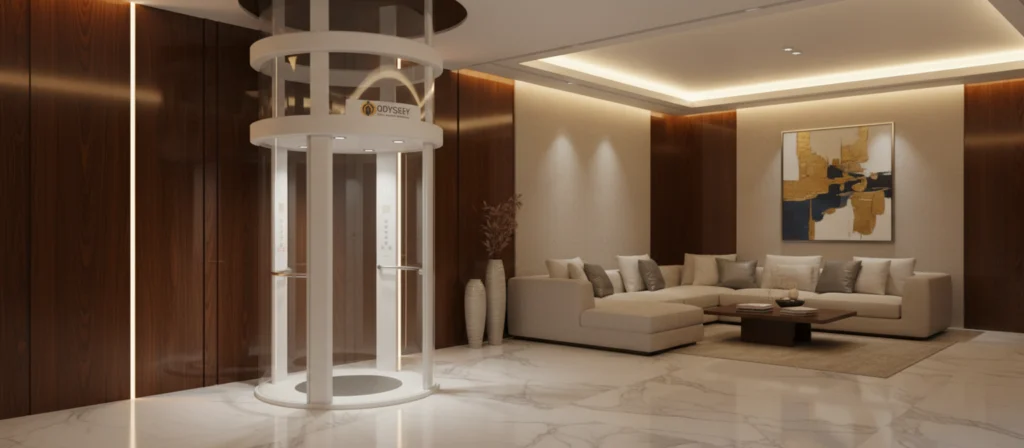
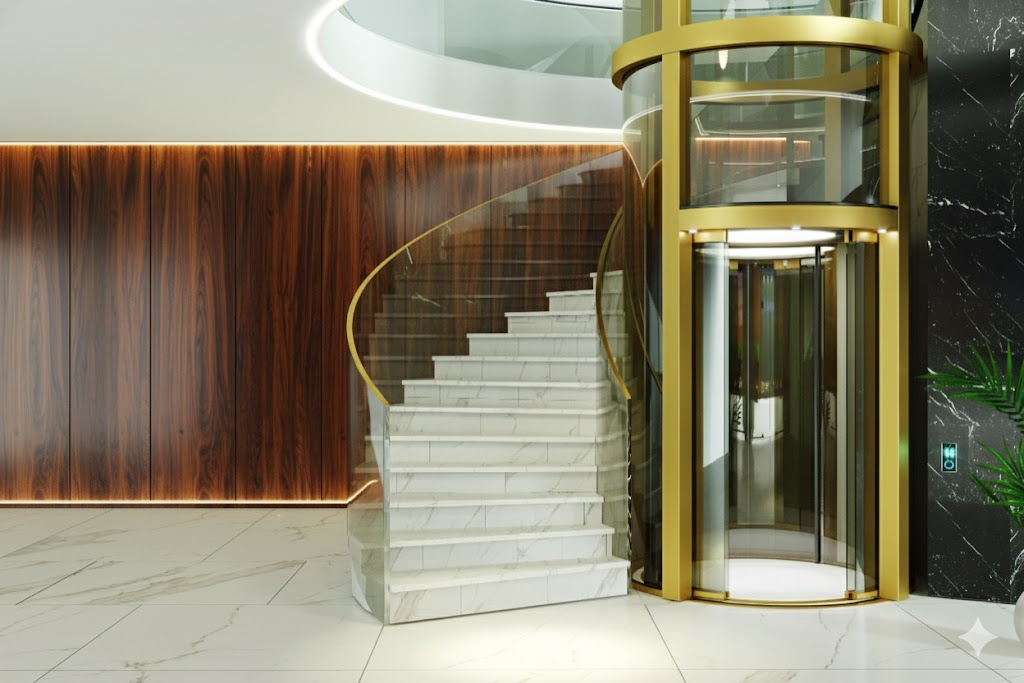
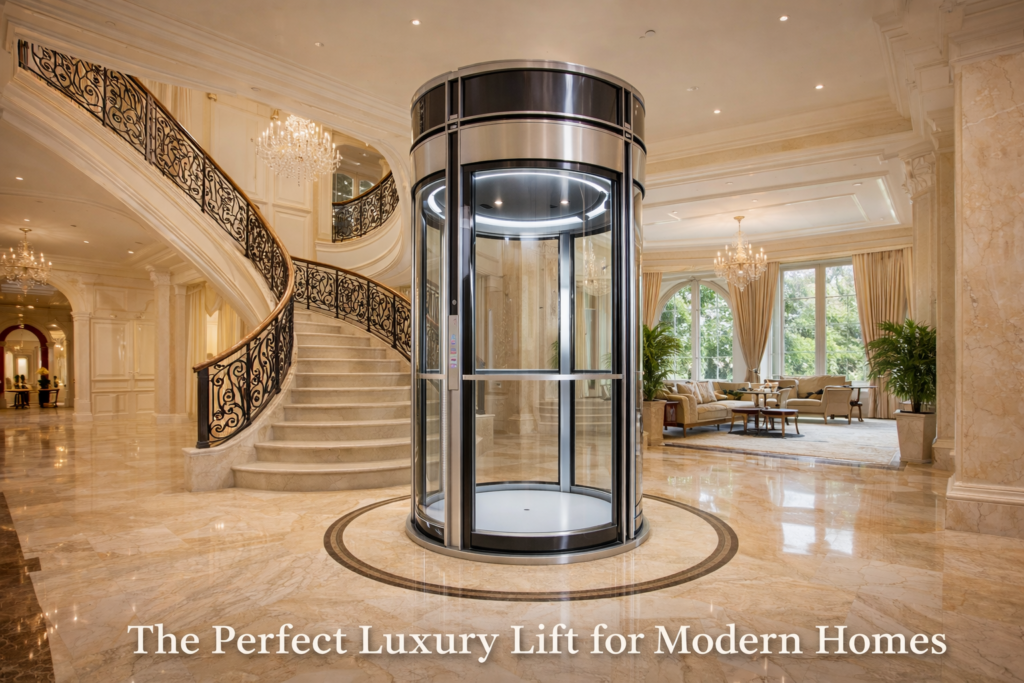
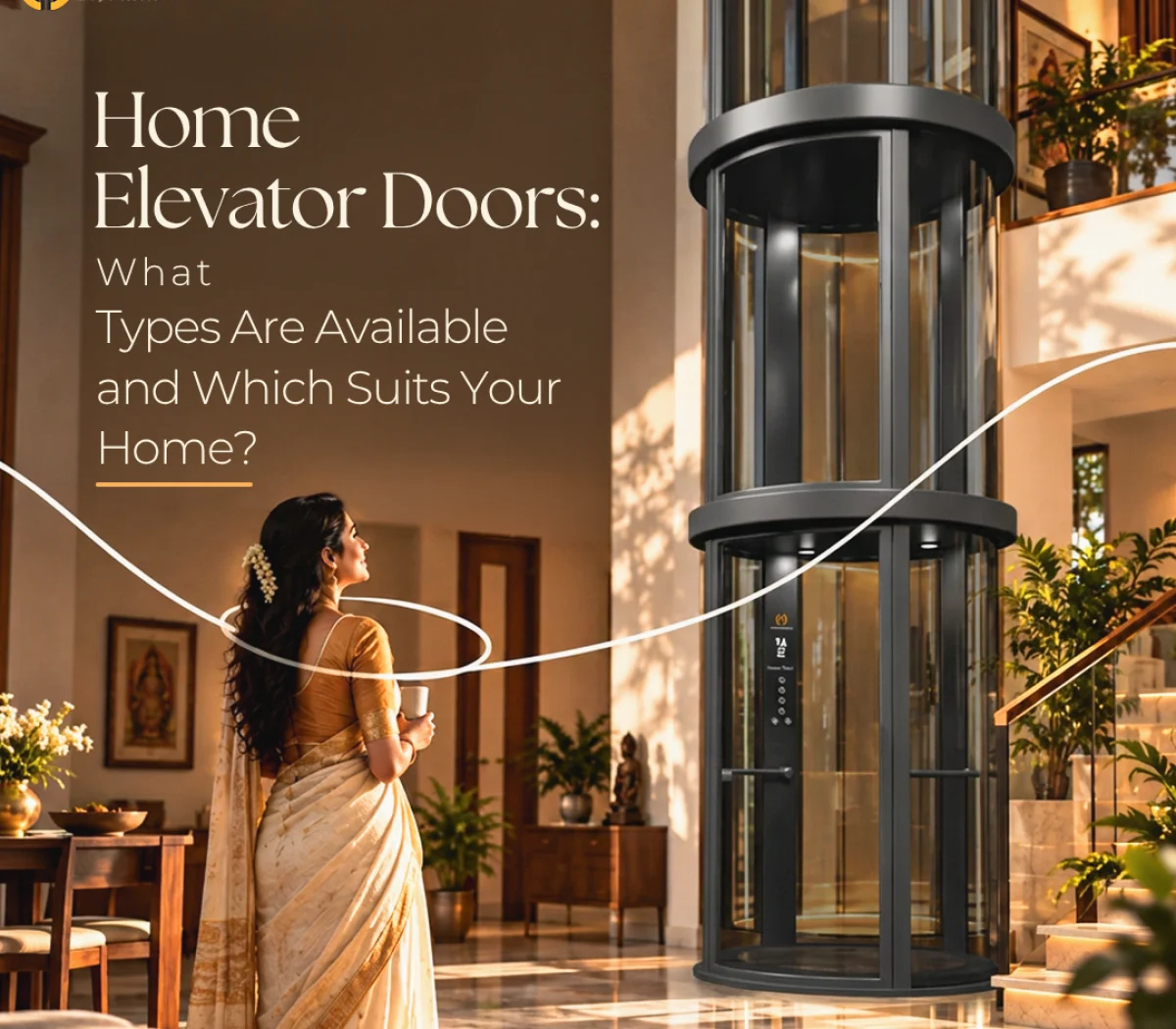
Glass doors can give a residential elevator a bright and contemporary appearance.
They work particularly well with modern interiors and can complement glass or panoramic elevator cabins. Glass can also allow more light into the entrance area, creating a more open feeling.
However, appearance should not be the only consideration. The type of glass, door construction, safety requirements, and maintenance should all be discussed with the elevator provider.
Automatic or Manual: Which Should You Choose?
Both options can work well, depending on the home and elevator system.
Automatic doors can offer greater convenience for families who use the elevator frequently. They can also provide a modern user experience.
Manual doors offer a simple operating method and may suit certain elevator designs and home layouts.
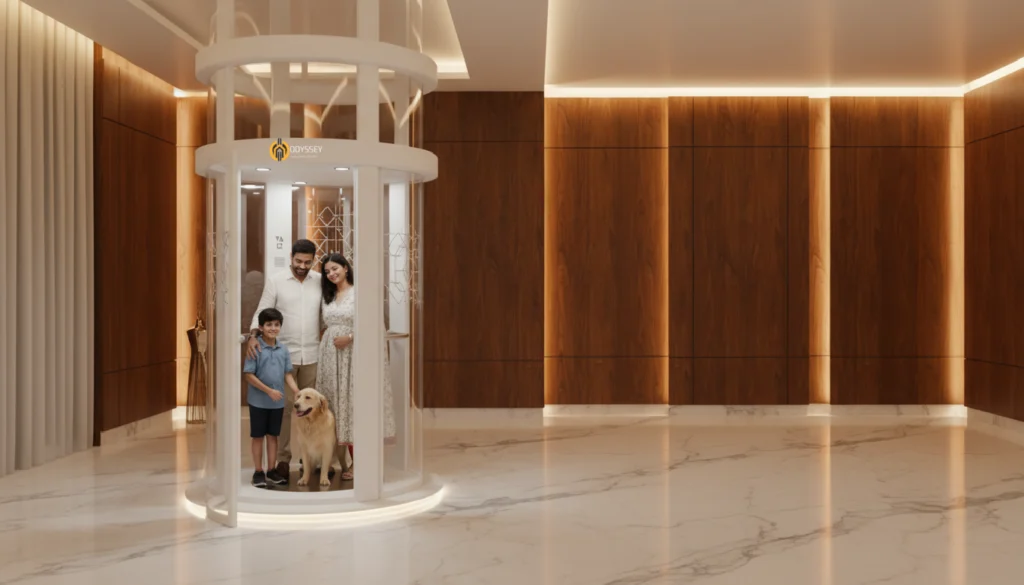
Think about who will use the elevator. If older family members or children will use it regularly, ease of operation may be an important factor.
The selected door should be comfortable and practical for everyone in the household.
How to Choose the Right Door for Your Home
Start by checking the space around the elevator entrance.
If there is limited room in front of the elevator, a sliding configuration may be worth considering. If there is plenty of clear space, a hinged door may also be suitable.
Next, consider your home’s interior.
A modern villa may suit glass or stainless-steel doors, while a simpler finish may blend better with a traditional interior.
Also think about everyday use. Ask yourself:
- Who will use the elevator?
- How frequently will it be used?
- How much space is available?
- Do you prefer automatic or manual operation?
- Which finish suits your home?
- How easy will the door be to maintain?
These questions can make the selection process much easier.
Don’t Forget About Safety
A stylish door is useful only when it is also designed and installed correctly.
The door system should work properly with the elevator’s safety controls. Door locking, movement, access, and operation should all be checked before the elevator is put into regular use.
Ask your elevator provider to explain how the selected door works and which safety features are included.
Professional installation and proper testing are equally important. The complete elevator system should be checked before it is handed over to the homeowner.
What Should You Check Before Buying?
Before finalizing your home elevator doors, consider:
- Available entrance space
- Door opening direction
- Automatic or manual operation
- Cabin size
- Number of floors
- Door material and finish
- Glass or solid-door options
- Safety features
- Maintenance requirements
- Warranty and service support
Don’t choose a door simply because it looks attractive in a catalogue. The best option is one that works well with your home and family’s daily routine.
Frequently Asked Questions
What are the main types of home elevator doors?
Common options include hinged, sliding, automatic, manual, and glass door configurations. Availability depends on the elevator model and property requirements.
Are automatic elevator doors for homes convenient?
Yes. Automatic elevator doors for homes can make everyday use easier because the doors open and close automatically. They can be particularly useful for families who use the elevator frequently.
Are manual home elevator doors suitable for residential use?
Yes, manual home elevator doors can be suitable for certain residential elevator systems. The choice depends on the elevator design, available space, and homeowner requirements.
Are glass elevator doors suitable for homes?
Glass doors can be suitable for modern residential elevators when appropriate materials and safety specifications are used. The final selection should be discussed with the elevator provider.
Which elevator door is suitable for a small home?
It depends on the available space and elevator design. Sliding doors may be useful when there is limited space for a swinging door, but a professional site assessment is recommended.
Conclusion
Choosing the right home elevator doors may seem like a small decision, but it can make a noticeable difference to everyday elevator use.
Automatic, manual, hinged, sliding, and glass doors each have different advantages and considerations. The right choice depends on your home’s layout, available space, design preferences, safety requirements, and daily usage.
Instead of choosing a door based only on appearance, look at the complete picture. A well-planned door can make your home elevator easier to use while fitting naturally into your home’s design.
Looking for a Home Elevator?
Odyssey Elevators offers residential elevator solutions for villas, duplexes, independent houses, and modern homes.
Visit Odyssey Elevators or call +91 95002 88001 to discuss your home elevator requirements.