
Views: 11
When planning a new home, every feature should add comfort, convenience, and long-term value. One feature that is becoming increasingly popular in modern homes is a residential elevator. Residential Elevators can make movement between floors easier while improving accessibility and creating a more convenient living environment.
Whether you are building a compact house or a spacious multi-storey home, choosing the right elevator requires careful planning. Factors such as available space, safety, design, load capacity, technology, maintenance, and budget should all be considered before making a decision.
Why Choose a Residential Elevator for Your Home?
A home elevator can make everyday life more comfortable, especially in multi-level houses. Carrying groceries, moving furniture, transporting luggage, or simply travelling between floors can become easier with a dedicated lift.
Residential elevators are also useful for families planning for the future. As mobility requirements change over time, having an elevator can make different areas of the home more accessible. It can also be a practical feature for elderly family members and individuals with mobility limitations.
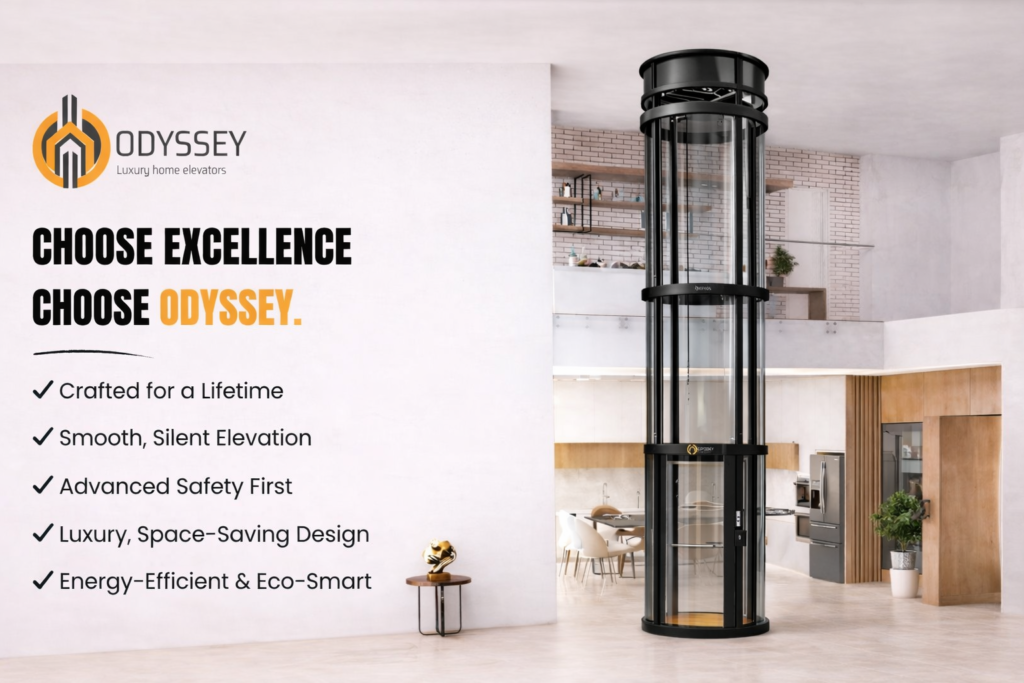
Beyond convenience, a well-designed elevator can complement the overall appearance of a modern home. With different cabin finishes, door styles, lighting options, and configurations available, homeowners can choose a design that blends with their interiors.
Consider the Available Space
Space is one of the first things to evaluate when selecting an elevator. Different home elevator models have different installation requirements, so the available area should be assessed during the early stages of home planning.
The location of the elevator, shaft dimensions, entrance configuration, overhead space, and other structural requirements can influence which model is suitable for your property.
Planning the elevator before construction begins can make the installation process easier. It also allows architects and builders to incorporate the required space into the home’s overall design instead of making major modifications later.
Choose the Right Load Capacity
The required capacity depends on how you plan to use the elevator. A family that regularly travels together may need a larger cabin, while homeowners looking for basic floor-to-floor transportation may prefer a compact option.
Think about both passengers and the items you may need to carry. Groceries, luggage, household equipment, and other belongings can require additional space.
Instead of choosing a lift based only on its size or appearance, discuss your daily requirements with a professional. This can help you select a suitable capacity without unnecessarily increasing the cost or space requirements.
Focus on Safety Features
Safety should be one of the most important considerations when purchasing Residential Elevators. A home elevator should be designed with appropriate safety systems and reliable components.
Depending on the model, features may include door sensors, emergency alarms, battery backup, emergency lighting, overload protection, and emergency lowering systems.
Before purchasing, ask the manufacturer about applicable safety standards, certifications, warranty coverage, and recommended maintenance. Understanding these details can help you make a more informed decision.
Select a Design That Complements Your Home
A residential elevator does not have to look out of place in your interior. Modern home lifts are available in different styles and finishes, making it possible to coordinate the elevator with your home’s architecture.
You can consider the cabin finish, doors, lighting, flooring, control panels, and other design elements. For homes with contemporary interiors, a minimal and sleek elevator design can create a seamless appearance.
The goal should be to select a design that provides functionality while complementing the overall character of the house.
Compare Elevator Technologies
Different types of home elevators use different technologies and installation methods. Each option can have its own requirements related to space, operation, maintenance, energy consumption, and installation.
When comparing models, look beyond the initial purchase price. Consider how the elevator operates, how much maintenance it requires, the level of operating noise, and whether replacement components and service support are readily available.
A professional evaluation of your home’s structure can help determine which elevator technology is appropriate for your requirements.
Explore Affordable Home Lifts
Budget is an important consideration when adding an elevator to a new home. Homeowners can explore affordable home lifts that provide essential functionality while staying within their planned construction budget.
However, affordability should not mean choosing a product based only on the lowest price. The overall cost can include installation, electrical work, maintenance, spare parts, and future servicing.
Compare quotations from different providers and look carefully at what is included in each package. A slightly higher initial investment may offer better value when the product includes reliable components, warranty coverage, professional installation, and dependable after-sales support.
Check Maintenance and After-Sales Service
An elevator is a long-term investment, so maintenance should be considered before making a purchase. Regular servicing can help identify potential issues and keep the system operating efficiently.
Ask the supplier about maintenance schedules, warranty terms, service response, spare-part availability, and annual maintenance options. Choosing a provider with dependable after-sales support can make ownership more convenient over the long term.
Plan for Future Requirements
Your home requirements may change over the years. Therefore, it is useful to think beyond your current needs when selecting a residential elevator.
Consider how the elevator may be used by elderly family members, children, guests, or individuals who may require additional accessibility in the future. Cabin dimensions, door width, controls, and overall accessibility can all influence long-term usability.
Planning ahead can help you choose an elevator that continues to provide value as your family’s needs change.
Make the Right Choice for Your New Home
Choosing the right Residential Elevators requires a balance between comfort, safety, design, space, and cost. Starting the selection process early allows you to consider structural requirements and integrate the elevator smoothly into your home design.
If budget is a concern, compare affordable home lifts based on their overall value rather than focusing only on the initial price. Look at installation requirements, safety features, maintenance, warranty, technology, and after-sales service before making your final decision.
With proper planning and guidance from an experienced elevator provider, a residential elevator can become a practical part of your home, making everyday movement between floors more comfortable and convenient.