Views: 28
For many homeowners, installing an elevator still sounds like a major construction project meant only for large villas or luxury properties.
This is mainly because several home elevator myths still influence how people think about residential elevators. Many assume that elevators take up too much space, consume excessive electricity, or are difficult to maintain.
The reality is that home elevator technology has changed significantly. Modern residential elevators are designed to be more compact, practical, and suitable for different types of homes.
Let’s look at some of the most common myths and the facts behind them.
Myth 1: Home Elevators Are Only for Mansions
One of the biggest home elevator myths is that elevators are only suitable for huge villas and luxury mansions.
Today, residential elevators are available in different sizes and can be planned for duplexes, compact homes, and renovation projects.
Depending on the available space, installation locations may include:
- Staircase voids
- Living room corners
- Open corridors
- Duplex cut-outs
- Renovated spaces
The right option depends on the structure and layout of the home, not simply its size.
Myth 2: Installing an Elevator Requires Major Construction
Many homeowners imagine months of dust, noise, and structural work.
However, one of the important residential lift facts is that modern systems can require much less civil work than traditional elevators. Some solutions do not need a separate machine room or major structural modifications.
Installation requirements can depend on:
- Type of elevator
- Number of floors
- Available space
- Existing home structure
This is why a site assessment is important before assuming an elevator cannot be installed in an existing home.
Myth 3: Home Elevators Are Only for Elderly People
Elevators are certainly useful for senior citizens and people with mobility concerns, but that is not their only purpose.
A modern home lift can make everyday life easier for:
- Families with children
- Senior citizens
- People carrying heavy items
- Guests
- Homeowners planning for the future
Many families choose an elevator simply for greater convenience and long-term accessibility. Explore the best home lifts in India to understand the available residential options.
Myth 4: Home Elevators Take Up Too Much Space
Space is one of the biggest concerns for homeowners.
This has created several home lift misconceptions, especially the belief that every elevator requires a large shaft and a huge amount of floor space.
Modern residential elevators come in different sizes and configurations. Some are specifically designed for homes where space is limited.
The exact requirement depends on the model and installation location, but a home does not always need a large dedicated area for an elevator.
Understanding these home elevator myths can help homeowners make better decisions about space requirements and residential elevator options.
Myth 5: Home Elevators Use Too Much Electricity
Many people assume that installing an elevator will significantly increase their electricity bills.
An electric elevator does require power, but its actual consumption depends on the technology, travel distance, model, and frequency of use.
Modern systems can be designed to operate efficiently, making them more suitable for regular residential use.
Instead of assuming that all elevators consume large amounts of electricity, homeowners should check the power requirements of the specific model they are considering.
Myth 6: Home Elevators Are Noisy
Older elevator systems may have created more noticeable noise, which is why many homeowners still believe elevators are loud.
However, modern technology has improved the travel experience.
A well-designed electric elevator can offer smooth and quiet movement, making it suitable for residential environments.
The level of noise can depend on the technology and installation quality, so it is important to understand the specifications before making a decision.
Myth 7: Home Elevators Are Difficult to Maintain
Another common belief is that elevators constantly require repairs.
One of the important residential lift facts is that regular maintenance is necessary, but this does not mean the system will require frequent major repairs.
Before purchasing, homeowners should understand:
- Maintenance requirements
- Service frequency
- Technical support availability
- Long-term servicing costs
Choosing a reliable supplier and following the recommended maintenance schedule can make elevator ownership much easier.
Myth 8: Home Elevators Are Unsafe During Power Cuts
Some people worry about being trapped inside the elevator during a power failure.
Modern residential elevators can include safety features designed for such situations. Depending on the system, these may include emergency lowering, alarms, backup systems, or communication features.
A modern home lift should be selected based on its safety features as well as its design and comfort.
Understanding how the elevator responds during an emergency can provide greater confidence for the entire family.
Many home elevator myths about safety come from older elevator systems and may not reflect the features available in modern residential elevators.
Myth 9: Every Home Elevator Looks Like a Commercial Lift
This is one of the more outdated home lift misconceptions.
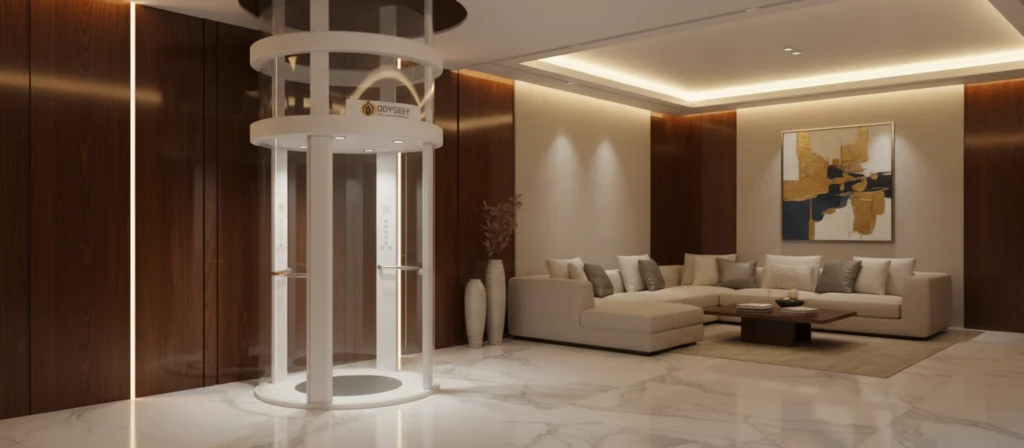
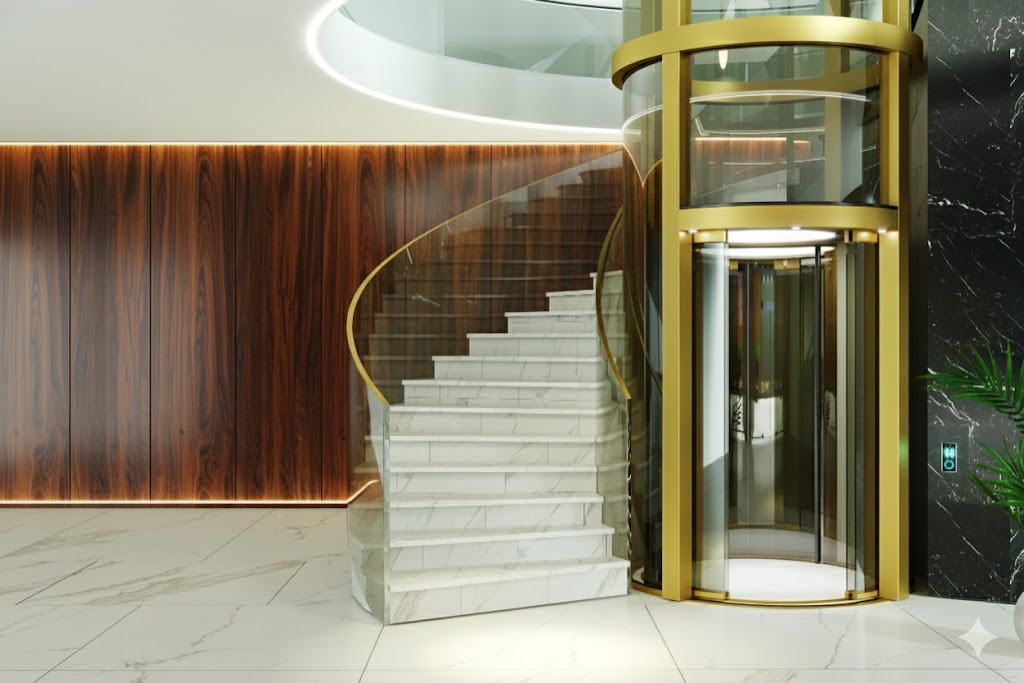
Today, home elevators can be designed with different materials, finishes, colours, and lighting options to match residential interiors.
Depending on the system, homeowners may choose from:
- Glass panels
- Premium finishes
- Modern lighting
- Different colour options
- Custom flooring
An elevator no longer needs to look like something taken from an office or shopping mall.
Myth 10: A Home Elevator Is Only a Luxury
An elevator can certainly add a premium touch to a home, but its benefits go beyond appearance.
It can improve everyday convenience and make a multi-storey house easier to use for everyone in the family.
Many home elevator myths come from thinking only about present needs. A home may feel perfectly accessible today, but mobility requirements can change over time.
An elevator can help homeowners continue using every floor comfortably in the years ahead.
Once these home elevator myths are separated from the facts, choosing the right elevator becomes much easier.
Frequently Asked Questions (FAQ)
1. Are home elevators only suitable for large homes?
No. Modern residential elevators are available in different sizes, including options suitable for compact homes and renovation projects.
2. Do home elevators require major construction?
Not always. Installation requirements depend on the system and the structure of the home. Some modern solutions require less civil work than traditional elevators.
3. Are electric elevators expensive to operate?
An electric elevator uses electricity, but actual consumption depends on the model, technology, and frequency of use.
4. What are the biggest misconceptions about home elevators?
Common myths include believing that elevators are only for mansions, require too much space, are noisy, consume excessive power, and are difficult to maintain.
5. Can a modern home lift be customised?
Yes. A modern home lift can often be selected with different finishes, colours, lighting, and design options to suit the home.
The Reality About Home Elevators
Home elevator technology has come a long way, but many homeowners still make decisions based on outdated assumptions.
The truth is that modern home elevators can be compact, quiet, practical, and visually appealing. The key is to understand the available options instead of relying on common beliefs.
Once homeowners look beyond these home elevator myths, they often realise that an elevator is not just a luxury addition. It can be a practical solution that brings greater comfort, convenience, and accessibility to everyday life.
Knowing the facts behind common home elevator myths can help you make a more confident decision about your home.