Views: 65
When people start thinking about adding an elevator to their home, it’s usually triggered by a very real moment. Maybe carrying groceries upstairs suddenly feels harder. Maybe parents are ageing. Or maybe the home is being designed with the future in mind.
Whatever the reason, one thing becomes clear very quickly: not all home elevators are the same.
Alongside the familiar lift systems most of us recognize, Electric circular home elevators are now entering the conversation. They look different, feel different, and behave differently in everyday life. Understanding those differences matters more than technical specifications ever will.
Home Elevators Are About Comfort, Not Just Access
There was a time when home elevators were added only when stairs became a problem. Today, that thinking has shifted. Homeowners are planning ahead, designing homes that remain comfortable and usable for decades.
An elevator now needs to feel natural in daily life. It shouldn’t dominate the space, interrupt the design, or feel like an industrial add-on inside a personal home.
That’s where modern elevator concepts start to make sense, especially when you compare them to older systems.
Traditional Home Elevators: Familiar, but Not Flexible
Traditional home elevators are dependable. They’ve been around for years, and many homeowners feel comfortable choosing something familiar.
But familiarity often comes with trade-offs.
These systems usually require a rectangular shaft, significant headroom, and more structural involvement. In large homes, this may not feel like a problem. In modern houses where every square foot is planned carefully, it often is.
Another issue with Traditional home elevators is how they fit visually. They work, but they don’t always belong. In homes built around openness and clean lines, they can feel heavy and out of place.
Why Electric Circular Home Elevators Feel More Natural
Modern homes breathe differently. They’re open, lighter, and designed to flow. Electric circular home elevators are created with this exact environment in mind.
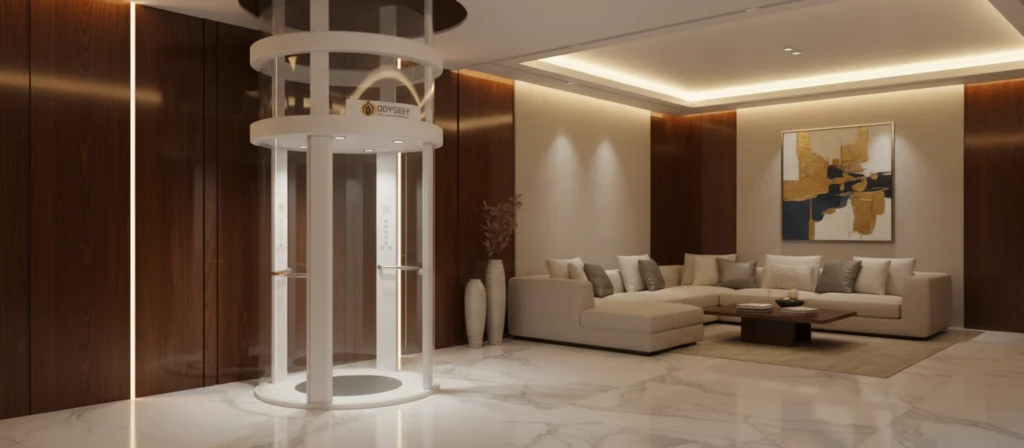
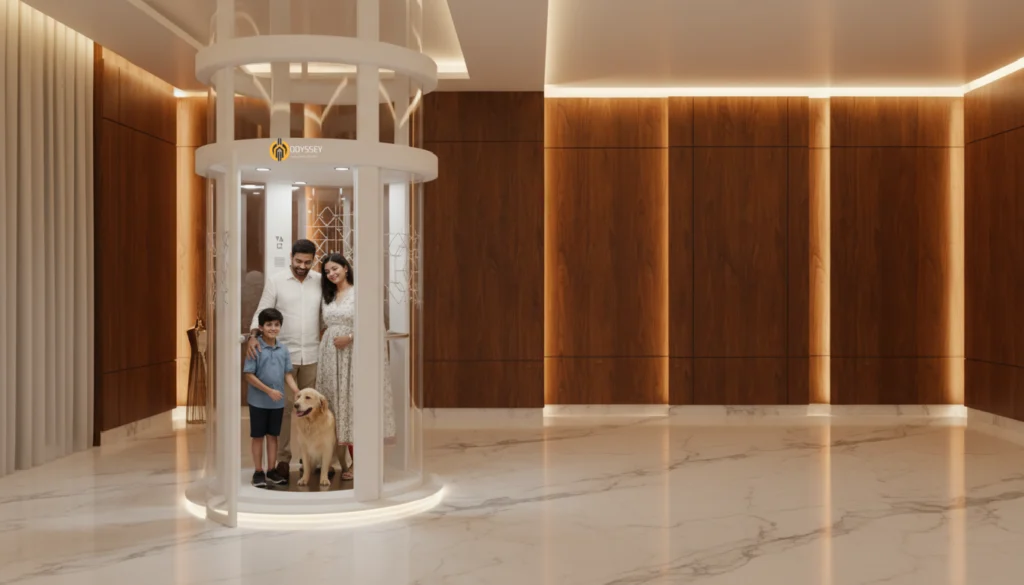
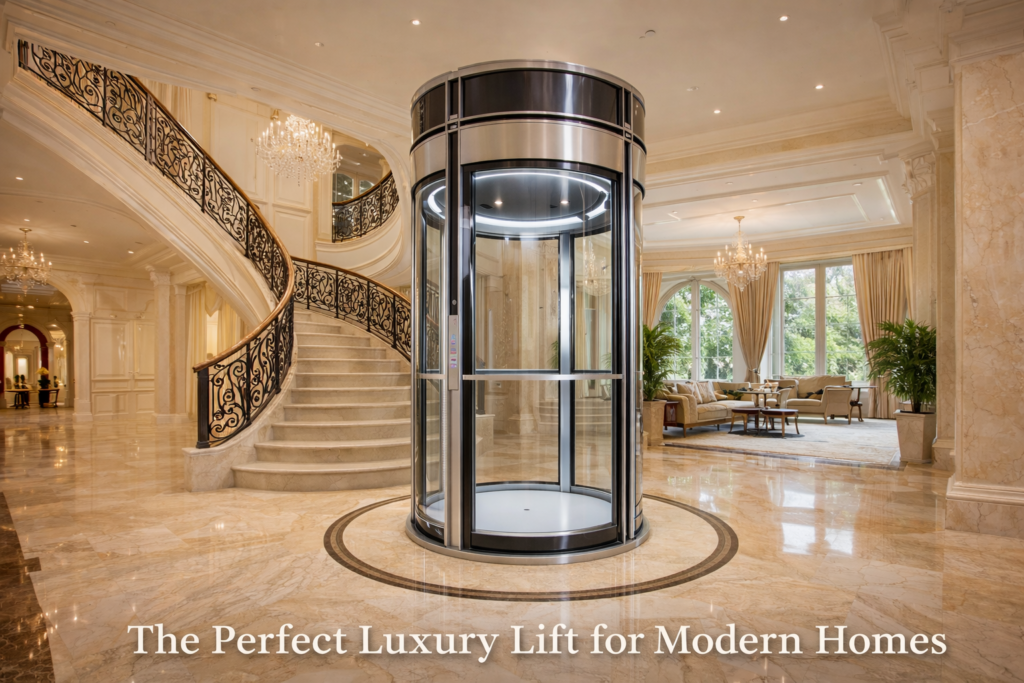
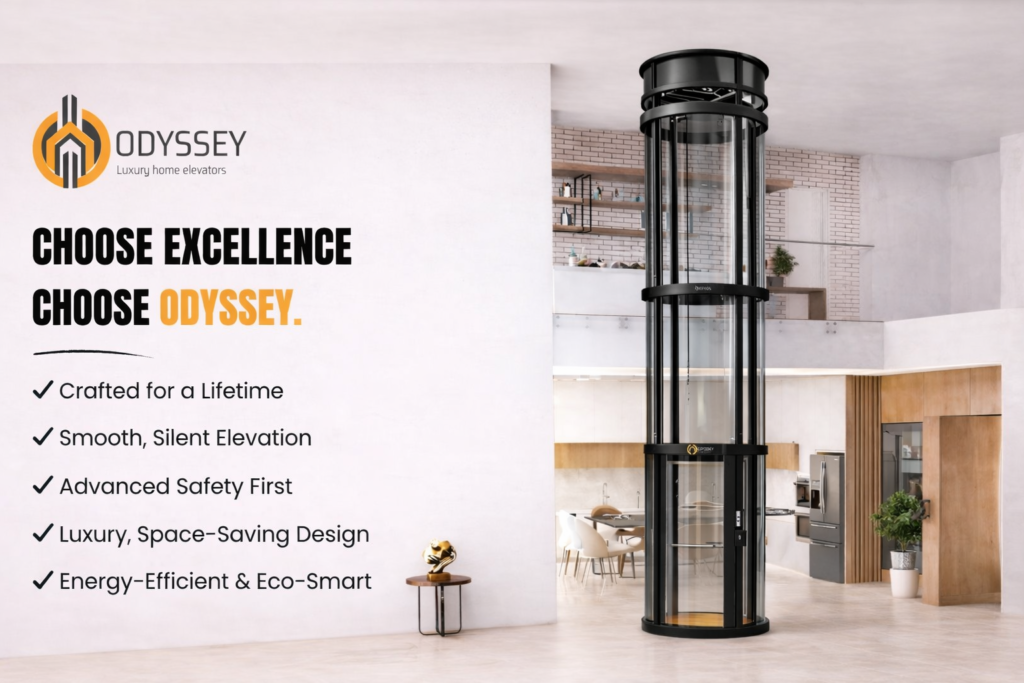
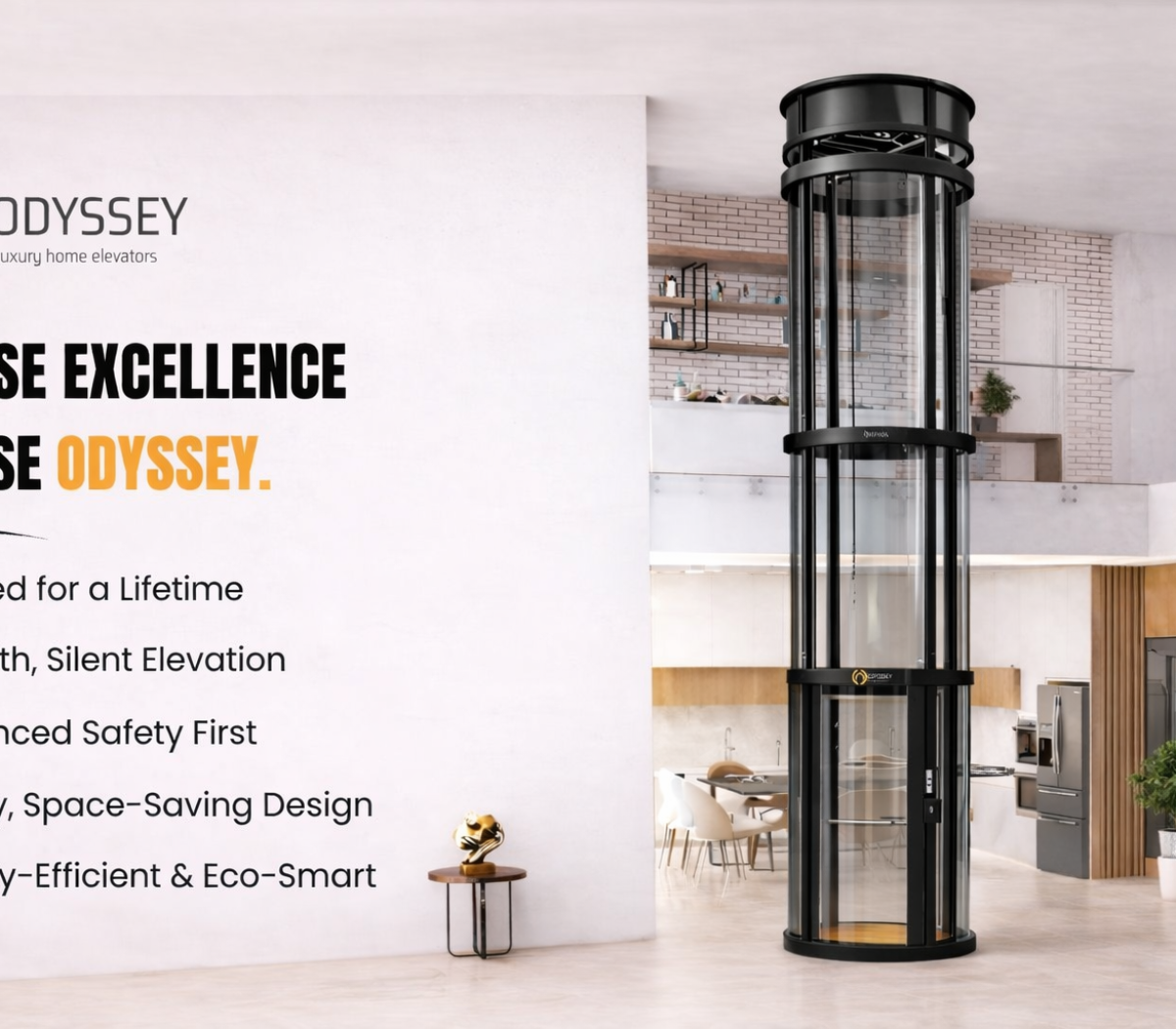
Because of their shape and structure, they don’t demand as much from the building. They fit where traditional lifts often can’t. Many homeowners even choose to place them where they’re visible, not hidden, because they add to the overall look of the space.
They’re also noticeably quieter. You don’t hear machinery working behind the walls. You just experience smooth, controlled movement that feels calm and reassuring.
Space Is Where the Difference Becomes Obvious
Space-Saving Elevator Design
Ask any homeowner what they worry about most, and space will be high on the list. A good Space-saving elevator design doesn’t just fit into the house; it respects the house.
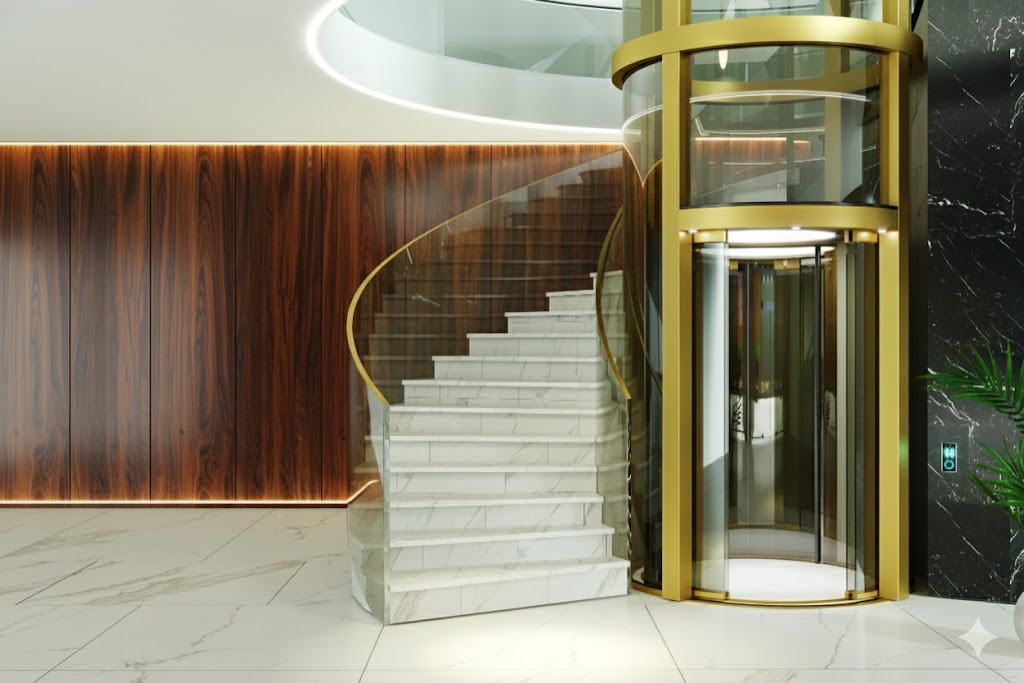
Circular elevators use their footprint more efficiently. They can be placed near staircases, in corners, or within open layouts without forcing major compromises.
With a thoughtful Space-saving elevator design, you don’t lose rooms, light, or balance. The elevator simply becomes part of the home, not something that takes away from it.
What Everyday Use Really Feels Like
Home Elevator Performance
Performance isn’t about numbers. It’s about how you feel using the elevator every day. Home elevator performance shows up in small but important ways, such as how smoothly it starts, how quiet it is, and how stable it feels under your feet.
Electric circular elevators tend to feel calmer. There’s less vibration, less noise, and fewer sudden movements. Over time, that matters.
When homeowners talk about Home elevator performance, they’re usually talking about trust knowing the system will work quietly and comfortably every single time.
Installation Without Turning Life Upside Down
Installation is often where doubts creep in. Traditional elevators usually involve longer timelines and more disruption. Walls are opened, structures are modified, and daily routines are affected.
Electric circular elevators are generally simpler to install. Many models are self-supporting, which reduces the amount of construction work required. That means less noise, less dust, and faster completion.
For lived-in homes, this makes Electric circular home elevators a far more practical option.
Safety That Works Quietly in the Background
Good safety design doesn’t draw attention to itself. Modern electric elevators include features like emergency lowering, backup power, and controlled movement, all working quietly behind the scenes.
These features are especially important in homes with elderly residents or children. They don’t complicate the experience; they simply make it safer.
While older systems are safe, newer technologies add an extra layer of confidence that homeowners appreciate.
Long-Term Ownership and Maintenance
No one wants an elevator that demands constant attention. Traditional systems often include more mechanical components, which can lead to higher maintenance needs over time.
Electric circular elevators are designed to be efficient and streamlined. Fewer moving parts generally mean fewer issues and more predictable servicing.
For homeowners, that translates to peace of mind knowing the elevator won’t become a recurring headache.
Which Elevator Actually Fits Your Life?
Every home tells a story. Some are large and traditional. Others are compact, modern, and carefully planned. While conventional systems still have their place, many homeowners today are looking for something that feels intentional rather than imposed.
With their compact footprint, gentle operation, and design-friendly presence, electric circular home elevators fit naturally into how people live now.
They’re less about machinery and more about comfort.
Choosing an Elevator That Feels Right
An elevator is something you’ll live with every day. It should feel easy, quiet, and well thought out. When you compare design impact, space use, and real-world performance, Electric circular home elevators often emerge as the more human choice.
They’re built not just for movement, but for living.
If you’re considering a home elevator and want guidance that fits your space and lifestyle, speak with Odyssey Elevators. Their electric circular home elevator solutions are designed with real homes and real people in mind.
FAQs
- Can circular home elevators be added to existing houses?
Yes. Many are designed specifically for retrofit projects with minimal structural changes. - Do they work well in smaller homes?
Yes. Their compact design makes them suitable for space-conscious layouts. - Are electric home elevators safe for daily use?
They include modern safety features such as emergency backup and controlled descent. - Will installing an elevator increase home value?
In many cases, yes, especially in multi-level homes focused on long-term living. - How demanding is maintenance?
Modern electric systems usually require less frequent and predictable maintenance.